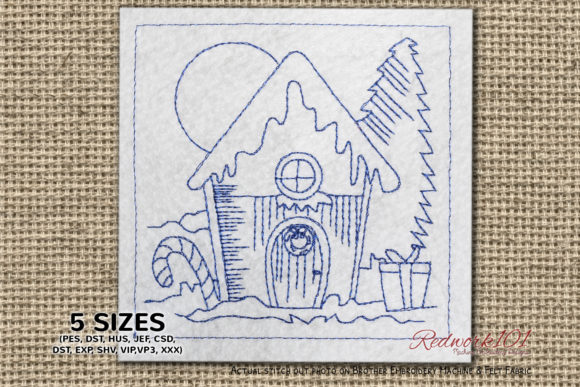
Santa's Workshop Bluework: A Craft Fair Review
As an embroidery designer preparing for the holiday rush, my eyes are constantly scanning new digital embroidery file releases for that perfect balance of charm and producibility. This weekend, I am setting up my booth at a local handmade market, and the centerpiece of my Christmas collection is Santa s Workshop Bluework. When you are standing behind a table filled with goods, you need designs that stop customers in their tracks. This review breaks down how this specific design performs in a real-world retail environment, focusing on what sells and what creates a lasting impression.
First Impressions and Aesthetic Appeal
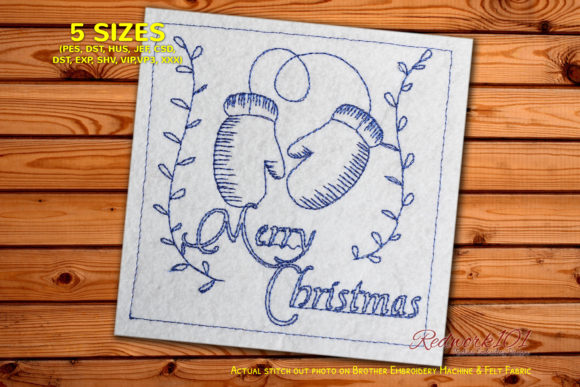
The moment I loaded Santa s Workshop Bluework onto my screen, the immediate vibe was undeniably festive yet refined. The "Bluework" designation suggests a monochromatic or limited palette approach, which often reads as elegant and modern rather than overly cartoonish. In a sea of red and green items at a craft fair, a sophisticated blue-toned design offers a refreshing alternative that appeals to buyers looking for something slightly different. It feels decorative and premium, fitting perfectly into the current trend of farmhouse-meets-modern holiday decor. The optional box stitch mentioned in the description adds a layer of versatility; it can frame the design for a structured look or be skipped for a softer, floating aesthetic depending on the product.
Product Suitability for Market Sales
Selecting the right canvas is crucial for any craft fair product. Here is how Santa s Workshop Bluework translates across various popular items:
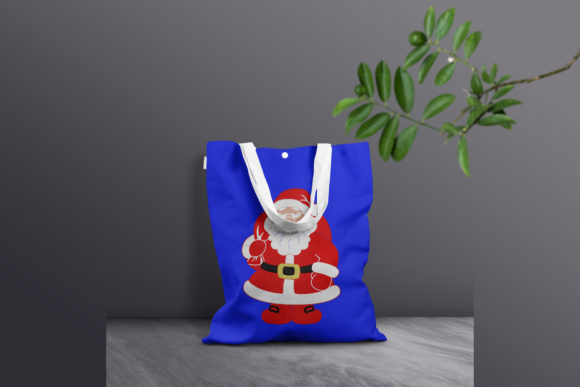
- Tote Bags and Market Bags: This is likely the strongest seller. A large tote bag provides ample space for the design to shine as a focal point. The blue tones contrast beautifully against natural canvas or white fabric, making it a high-visibility tote bag design that customers can spot from across the aisle.
- Aprons and Tea Towels: For the kitchen enthusiast, this design works exceptionally well as apron embroidery or tea towel embroidery. The clean lines of bluework look crisp on cotton twill and linen blends. It elevates a simple kitchen towel into a giftable handmade product that feels special enough for hosting duties during the holidays.
- Patches and Pouches: If you are selling smaller small shop product items like zipper pouches or iron-on patches, this design holds up well. However, you must ensure the details do not get lost when scaled down. It serves as a charming accent rather than an overwhelming graphic on these smaller surfaces.
- Pillow Covers: As a home decor item, embroidered pillow covers are high-margin sellers. The texture of the stitching combined with the cool blue hues creates a cozy, inviting look that encourages customers to touch the merchandise.
Production Practicality and Batch Efficiency
When running a booth, time is money. One of the key advantages of Santa s Workshop Bluework is its potential for repeatability. Because the color palette is likely streamlined, thread changes are minimized, allowing for faster commercial embroidery production runs. The description notes that the outer box color can be skipped if it is not part of the core design, which is a huge plus for efficiency. Skipping unnecessary trims or boxes reduces jump stitches and overall run time without sacrificing the visual impact.
Photography is another critical factor for Etsy seller success. This design photographs remarkably well. The contrast of blue thread against light fabrics creates a sharp image that pops in printable mockup listings and social media posts. Clear, high-contrast images drive online clicks, and this design delivers that clarity effortlessly.
Critical Considerations for Execution
While the design is strong, there are practical hurdles to clear before hooping your first item. You must pay close attention to stitch density. Bluework styles can sometimes rely on dense satin columns to create depth. If the density is too high on textured fabrics like waffle-weave tea towels, the stitching may sink or pucker. Always test on scrap fabric that matches your final product's weight.
Furthermore, consider the surface you are embroidering on. Curved surfaces like caps require careful placement to avoid distortion. If the design includes fine lettering or tiny details within the workshop scene, these may lose clarity on thick fabrics or if the hoop size forces the design to be resized too small. The description advises that the box stitch is optional; if you choose to include it, ensure the spacing between the box and the internal design is wide enough to prevent the threads from merging, especially on plush fabrics like towels.
Maximizing Visual Impact and Sales
In a busy market environment, Santa s Workshop Bluework acts as a visual anchor. Its unique color story draws the eye away from the standard red-and-green overload, signaling to the customer that this is a thoughtfully curated finished product. It enhances brand consistency if your shop leans towards cool tones, rustic aesthetics, or modern minimalism. Buyer engagement increases when a design looks professional and clean; customers associate high-quality stitching with high-value gifts.
To truly maximize sales, create a display that showcases the versatility of the design. Place an embroidered tote next to a matching tea towel and a small patch. This shows the customer that the design is adaptable, increasing the likelihood of multiple purchases. Use the optional box stitch on some items and skip it on others to demonstrate the range of looks achievable with a single embroidery file.
Final Designer Notes for Success
Before committing to a full production run for your weekend booth, adhere to these essential steps:
- Test Stitch-Outs: Never skip testing on the actual fabric you intend to sell. Check how the blue threads interact with the specific fabric texture.
- Stabilizer Selection: Choose the right stabilizer for your material. Cut-away stabilizer is often best for stretchy fabrics like tote bags to prevent distortion over time, while tear-away may suffice for stable woven linens.
- Thread Contrast: Verify that your chosen shade of blue provides sufficient contrast against your fabric color. Navy on black will vanish, while royal blue on white will sing.
- Licensing Verification: The product description mentions optional elements but does not explicitly state license terms. Always confirm commercial licensing rights with the designer before selling finished goods to ensure you are compliant.
- Mockup Creation: Create at least one physical mockup to use as a sample in your booth. Customers want to feel the quality of the stitches before buying.
In conclusion, Santa s Workshop Bluework is a versatile and visually striking asset for any holiday collection. With careful attention to fabric choice, stabilization, and sizing, it has the potential to be a top-selling item that brings a touch of elegant festivity to your craft fair table and online store.