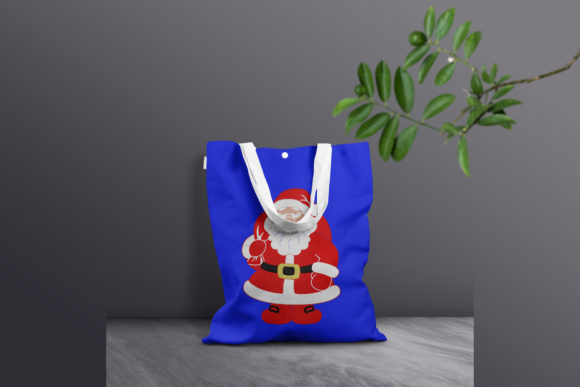
Christmas Santa: A Designer's Review for Craft Fair Success
As I prepare my booth for the upcoming weekend craft fair, my table is covered in potential winners: embroidered tote bags, festive aprons, tea towels, patches, caps, and small pouches. In this sea of handmade creativity, one machine embroidery design demands immediate attention: Christmas Santa. This isn't just another holiday graphic; it is a strategic asset for any Etsy seller or boutique maker looking to maximize sales during the peak season. Having reviewed countless files over the years, I approach this digital embroidery file with a critical eye, focusing on what will actually sell to a customer walking past my display.
First Impressions and Visual Appeal
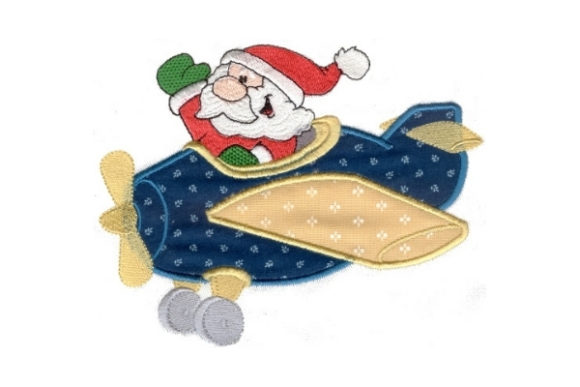
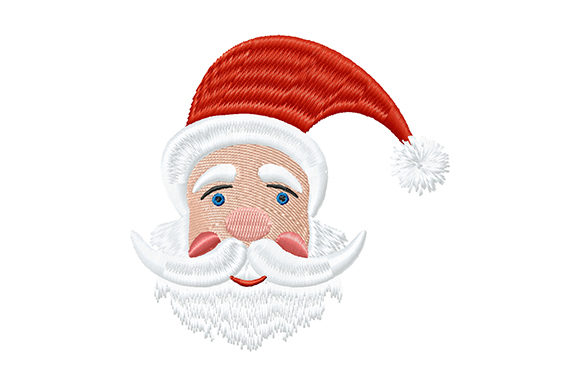
The moment I loaded the Christmas Santa file into my software, the first impression was clear: this design strikes a perfect balance between festive charm and professional quality. The description notes it is "digitized by hand," and that distinction is vital. Unlike auto-digitized clips that often look jagged or messy, this design feels intentional. It projects a mood that is both rustic and premium, making it versatile enough for a farmhouse-style kitchen towel or a modern sweatshirt.
For a craft fair environment, visual impact is everything. Customers scan tables quickly, and their eyes need to land on something recognizable within seconds. Christmas Santa succeeds here because the subject matter is universally understood. There is no confusion about what the image represents. Whether viewed from three feet away at a booth or as a thumbnail on an online listing, the silhouette and details of Santa are bold enough to grab attention without being overwhelming. This clarity is essential for a craft fair product where impulse buys drive a significant portion of revenue.
Product Versatility and Market Fit
The true test of any embroidery file is its adaptability across different substrates. The product description mentions availability in six sizes, which is a game-changer for a producer aiming to create a cohesive collection. Here is how I see Christmas Santa performing across various handmade products:
- Tote Bags and Market Bags: As a large focal design on a canvas tote, this motif becomes a statement piece. Shoppers love reusable bags with seasonal themes, and this design offers high visibility.
- Apron Embroidery: Placed on the bib of a kitchen apron, Christmas Santa adds a touch of whimsy that appeals to home cooks hosting holiday dinners. It transforms a utility item into a giftable keepsake.
- Tea Towel Embroidery: On linen or cotton towels, the design acts as a decorative accent. However, care must be taken with fabric texture; textured waffle weaves can sometimes obscure fine details, so a smoother weave is preferable for this specific digitization.
- Embroidered Patches: If produced as a patch, this design allows customers to add festivity to existing jackets or hats. It expands your inventory without requiring you to stock multiple garment types.
- Caps and Hats: For curved surfaces like caps, the design's integrity is crucial. The "hand digitized" claim suggests the underlay and pull compensation should handle the curve well, but testing on a actual cap structure is mandatory before batch production.
- Pillow Covers: As a central element on a throw pillow, this design elevates home decor. It feels substantial and worthy of a higher price point compared to smaller applications.
Production Realities and Practical Selling Points
From a production standpoint, Christmas Santa appears to be a strong candidate for batch work. The key to profitability at craft fairs is speed and consistency. If a design requires constant thread breaks or excessive trimming, it eats into margins. While the exact stitch density isn't listed in the brief, the promise of a "high quality" file implies efficient pathing.
When setting up for a run, I always consider how the design photographs for printable mockups and online listings. This design has strong contrast potential. Using traditional reds, whites, and skin tones against dark navy or forest green fabrics creates a striking finished product that pops in photos. For an Etsy seller, having a design that looks good in natural light and artificial booth lighting is non-negotiable.
However, there are careful-use notes to consider. If the design includes tiny details like facial features or small text, these may lose clarity if stitched too small. Always verify the minimum recommended size for the smallest version of the file. Additionally, when working on thick fabric like sweatshirts or towels, the choice of stabilizer is critical. A cut-away stabilizer is often safer for garments that will be washed frequently, ensuring the Christmas Santa motif doesn't pucker or distort over time.
Strategic Advice for the Embroidery Entrepreneur
To truly leverage this design asset, follow these professional steps before committing to a full production run:
- Test on Scrap Fabric: Never skip the stitch-out. Verify how the thread colors blend on your specific material. What looks vibrant on screen might appear muted on certain cotton blends.
- Check Thread Contrast: Ensure there is enough separation between the background fabric and the thread. On dark fabrics, you may need an additional underlay or a specific thread weight to maintain definition.
- Confirm Hoop Size: With six sizes available, ensure your machine's hoop capacity matches the largest version you intend to sell. Running out of hoop space mid-design is a disaster.
- Inspect Stitch Density: Look for areas that might be too dense, which can cause needle deflection or fabric stiffness. Hand-digitized designs usually manage this well, but a physical check is wise.
- Create Real Mockups: Don't rely solely on digital previews. Sew one real sample of each product type (towel, bag, shirt) to display at your booth. Tangible examples sell better than images.
- Review Licensing: Before selling any commercial embroidery items, confirm the license terms. Ensure the file allows for unlimited finished goods sales if you plan to scale up.
In conclusion, Christmas Santa is more than just a seasonal image; it is a versatile tool for the serious maker. Its ability to translate well across various small shop products, from tote bag designs to holiday decor, makes it a staple for the winter selling season. By paying attention to fabric choices, stabilization, and presentation, you can turn this digital file into a best-selling centerpiece of your craft fair booth. The combination of hand-digitized quality and multi-size flexibility gives it a competitive edge in the crowded handmade marketplace.