Christmas Church Snow Lineart: A Fair Seller's Review
As I stand in my studio surrounded by stacks of blank tote bags, aprons, and tea towels, I am mentally preparing for the upcoming weekend craft fair. The pressure is on to curate a collection that not only looks beautiful on the display table but also withstands the scrutiny of customers who appreciate handmade quality. Today, I am reviewing the Christmas Church Snow Lineart Design to determine if it earns a spot in my premium holiday lineup. This isn't just about picking a pretty picture; it is about evaluating a machine embroidery design for its commercial viability, production speed, and visual impact on various handmade products.
First Impressions and Aesthetic Appeal
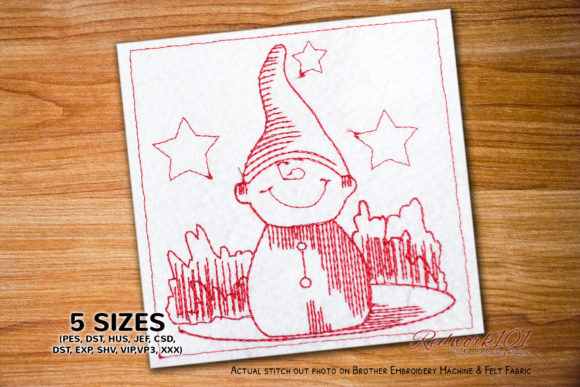
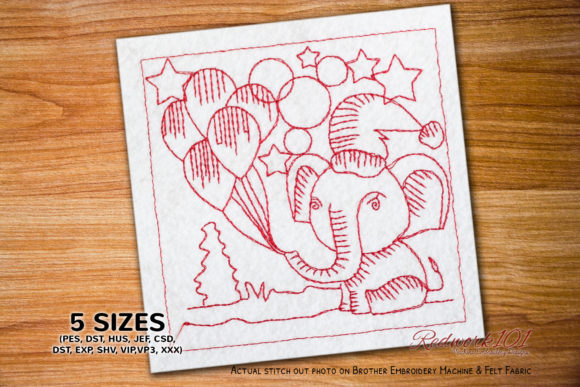
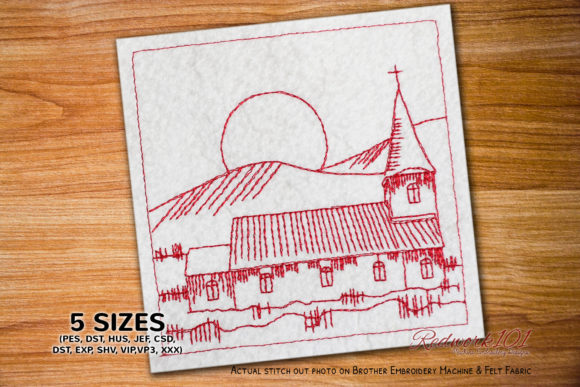
The moment I loaded the Christmas Church Snow Lineart Design onto my screen, the immediate impression was one of rustic elegance. In a market often saturated with overly bright, cartoonish holiday graphics, this lineart style offers a sophisticated, farmhouse-inspired alternative. It feels minimal yet festive, relying on clean lines rather than heavy fill stitches to convey the scene. This aesthetic is crucial for modern boutique makers and Etsy sellers who cater to customers seeking understated decor rather than loud statements. The "snow" element suggests a softness that pairs perfectly with neutral fabric colors like cream, sage green, or slate blue, allowing the design to feel premium without requiring expensive metallic threads.
Versatility Across Product Lines
The true test of any embroidery file is how well it translates across different substrates. For a craft fair booth, variety is key to maximizing sales per square foot. Here is how I see this design performing on specific items:
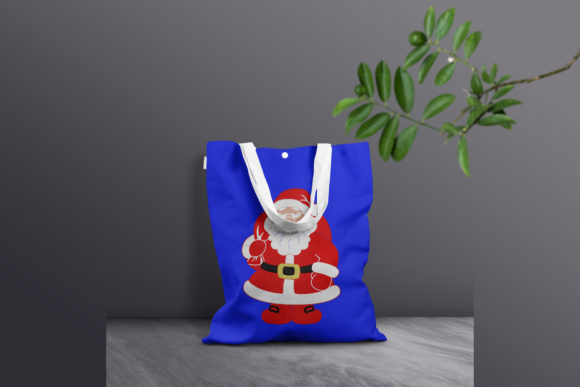
- Tote Bags and Market Bags: This is likely the strongest contender. A large-scale version of the Christmas Church Snow Lineart Design centered on a canvas tote creates an instant tote bag design that shoppers love. The lineart style ensures the image remains clear even on textured canvas, avoiding the puckering issues common with dense fills.
- Apron Embroidery: Placed on the bib of a linen or cotton apron, this design adds a charming, homey touch. It transforms a utility item into a giftable handmade product perfect for hosts and bakers during the holidays.
- Tea Towel Embroidery: Kitchen textiles are huge sellers in December. The linear nature of this design works exceptionally well on waffle weave or flour sack towels, provided the stitch density is managed correctly to prevent the towel texture from overpowering the details.
- Embroidered Patches: Creating iron-on or sew-on patches allows for a low-risk add-on sale. Customers who hesitate to buy a $30 bag might happily spend $8 on a patch featuring this church scene to customize their own jackets or pillows later.
- Caps and Pillow Covers: While viable, these require more caution. The curved surface of a cap can distort wide lineart designs, and pillow covers demand precise centering. However, if executed well, they serve as excellent high-margin small shop products.
Production Practicality and Batch Efficiency
When running a booth, time is money. I need designs that are repeatable for commercial embroidery without constant thread breaks or trim jumps. The Christmas Church Snow Lineart Design appears to be a strong candidate for batch production because lineart typically utilizes fewer thread changes and less total stitching time than full-fill illustrations. This efficiency allows me to keep my hoop moving and my inventory stocked. Furthermore, the simplicity of the design means it photographs beautifully for printable mockups and online listings. High-contrast images stop the scroll on social media, driving traffic to both my physical booth and my digital storefront.
However, practical selling requires honesty about limitations. While the design is elegant, its success depends heavily on execution. If the lines are too thin, they may get lost on dark fabrics or thick textures. As a professional, I must ensure that the thread colors chosen provide sufficient contrast against the base material. A white thread on a cream tote might look chic in person but could disappear in photos, so testing is non-negotiable.
Critical Considerations for Quality Control
Before committing to a full production run, there are several technical factors I must address to ensure the finished product meets professional standards:
- Stitch Density and Fabric Texture: Lineart can sometimes be too delicate for heavy fabrics. I need to check the stitch density settings. If the stitches are too sparse, the design may look incomplete on plush towels. Conversely, if too dense, it could cause puckering on lightweight linens.
- Small Details and Clarity: The description mentions optional box stitches and color variations. I must verify if the tiny details of the church windows or snowflakes hold up when scaled down for smaller items like pouches. Designs that lose clarity at smaller sizes are a waste of materials.
- Curved Surfaces: For caps, the curvature can compress the design horizontally. I would recommend avoiding this specific lineart on structured caps unless the design is simplified or the hoop size is adjusted to accommodate the curve without distortion.
- Stabilizer Selection: The right stabilizer is critical. For lineart on stretchy knits or loose-weave towels, a cut-away stabilizer is often safer than tear-away to prevent the fine lines from shifting or breaking over time.
Maximizing Customer Engagement and Value
In the context of a craft fair, the Christmas Church Snow Lineart Design serves as a powerful tool for brand consistency. Its cohesive, serene vibe helps create a curated booth display that feels intentional and high-end. When customers see a matching set of aprons, towels, and bags featuring the same motif, it elevates the perceived value of every item. It tells a story of a thoughtful maker rather than a random assortment of goods.
Moreover, this design appeals to the emotional side of holiday shopping. The imagery of a church in the snow evokes nostalgia, peace, and tradition—feelings that drive impulse buys. By positioning this craft fair product as part of a "Cozy Christmas Collection," I can encourage bundle purchases, increasing the average transaction value.
Final Designer Notes and Licensing
Before heading to the fair, my final checklist involves rigorous testing. I will stitch out the Christmas Church Snow Lineart Design on scrap fabric identical to my final products to check for registration issues and thread tension. I need to confirm the hoop size requirements to ensure the design fits my available frames without excessive re-hooping. Additionally, since the product description notes that "The Box Stitch shown in picture is optional" and mentions color variations, I must carefully review the included design assets to understand exactly which elements are editable.
Crucially, I must verify the licensing terms. The prompt advises checking details if not clearly provided. As a responsible business owner, I cannot assume commercial embroidery rights are included without explicit confirmation. I will review the license to ensure I am permitted to sell finished physical goods made with this digital embroidery file. If the license restricts sales or requires attribution, I will adjust my marketing strategy accordingly.
In conclusion, the Christmas Church Snow Lineart Design holds significant potential for the holiday season. Its blend of minimalism and festive charm makes it a versatile asset for tote bags, kitchen linens, and decorative accents. With careful attention to fabric selection, stabilizer choice, and licensing compliance, this design can become a standout bestseller that enhances both my booth's aesthetic and my bottom line.