Winter Ginger 02 Applique: A Pro Review for Brand Merch
As an embroidery designer who spends most of my days digitizing logos and testing files for small business clients, I approach every new machine embroidery design with a critical eye. It is not just about whether the stitches look pretty on the screen; it is about how that digital embroidery file translates into a tangible asset for a brand. When I first loaded the Winter Ginger 02 Applique onto my machine, my immediate goal was to evaluate its potential beyond simple holiday decoration. Could this serve as a robust element for branded patches, staff uniforms, or high-end boutique merchandise? This review breaks down the professional viability of this design for commercial use.
First Impressions: Visual Personality and Brand Fit
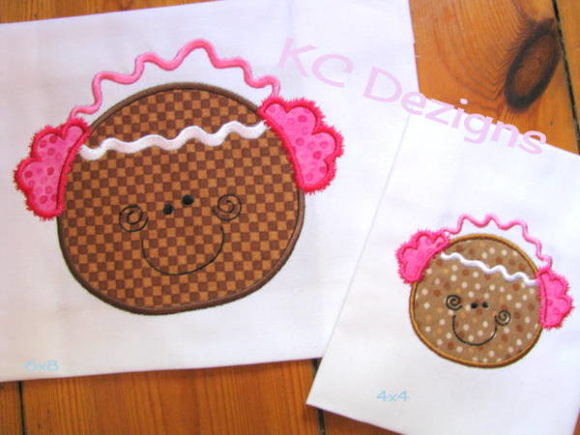
The title "Winter Ginger" immediately suggests a specific aesthetic: warm, rustic, and inviting. Upon stitching out the sample, the design delivers on this promise. Unlike some overly intricate holiday motifs that can look cluttered when scaled down, this applique feels balanced. The use of fabric layers in the applique technique adds a textural depth that flat stitching simply cannot achieve. For a small business owner, this texture signals quality. It moves the finished product away from looking like mass-produced promotional swag and toward feeling like a curated, handmade product.
The visual personality here is friendly yet professional. It avoids being too childish, which makes it versatile. While the product description highlights its perfection for Christmas projects, a savvy designer sees broader applications. The ginger motif carries connotations of warmth and comfort, making it an excellent fit for bakeries, coffee shops, florists, and lifestyle boutiques that want to convey a cozy, welcoming atmosphere during the winter months without screaming "holiday sale."
Real-World Business Applications
The true test of any embroidery file is its adaptability across different mediums. Here is how Winter Ginger 02 Applique performs in various commercial scenarios:
- Embroidered Patches: This is arguably the strongest use case. Applique designs excel as patches because the fabric layers create durability and a premium feel. A local bakery could use this as a limited-edition patch for their winter aprons or sell them as add-ons for gift baskets.
- Staff Uniforms and Aprons: For cafes and retail shops, apron embroidery needs to withstand frequent washing. The applique technique, if edged correctly with a tight satin or merrow border, holds up well. Placing this design on the chest pocket of a work shirt or the bib of an apron adds a touch of seasonal flair to the team's look without compromising professionalism.
- Cap Embroidery: Applying this to the front panel of a dad hat or beanie requires careful consideration of the curve. However, the bold shapes inherent in applique generally translate well to caps, provided the design size is adjusted to prevent puckering on the structured front.
- Tote Bag Design: Canvas tote bags are a staple for handmade brands. The heavier weight of canvas supports the multiple layers of an applique design beautifully. This could serve as a standout feature on a holiday shopping bag or a branded carry-all for a boutique.
- Product Packaging Accents: Beyond apparel, consider stitching this onto fabric tags attached to packaging or as a decorative element on cloth gift wraps. It elevates the unboxing experience for customers.
Technical Considerations for Production
While the aesthetic appeal is high, production realities must be addressed before offering this as part of your small business merch line. Since this is a machine applique, you are dealing with multiple steps: placing the base fabric, tacking it down, trimming, and then finishing with the final stitch.
Fabric Texture and Stability: The success of this design relies heavily on the interaction between the thread colors and the chosen applique fabric. On dark uniforms, ensure your fabric contrast is sharp enough to make the ginger motif pop. Furthermore, because applique adds bulk, using the correct stabilizer is non-negotiable. For stretchy fabrics like polo shirts, a cut-away stabilizer is essential to prevent distortion over time. For woven items like tote bags or aprons, a tear-away might suffice, but always test first.
Size and Detail Limitations: One cautionary note for commercial embroidery projects involves scaling. If you intend to use this as a tiny sleeve detail or on a small pet bandana, the intricate edges of the applique fabric may become difficult to trim and secure cleanly. There is a minimum threshold where the "handmade" look turns into "messy." I recommend testing the design at your intended smallest size before committing to a large run. Additionally, verify the required hoop size against your machine's capabilities, especially if you are working with smaller hoop-only machines often used for caps.
Elevating Brand Identity and Customer Trust
In the crowded marketplace of Etsy sellers and craft businesses, visual consistency is key to building brand identity. Using a cohesive design element like Winter Ginger 02 Applique across various touchpoints—from staff uniforms to customer gifts—creates a recognizable visual language. It tells the customer that attention to detail matters.
When a customer receives a tote bag or a hat featuring a well-executed applique design, the perceived value of the item increases. It feels substantial. This tactile quality fosters trust; it suggests that the business invests in quality materials and skilled labor. For holiday-specific campaigns, this design can drive engagement by creating a sense of urgency and exclusivity. It transforms a standard transaction into a memorable seasonal interaction.
Designer Notes for Implementation
Before integrating this into your production workflow, adhere to these practical steps to ensure the highest quality output:
- Test in Monochrome: Before cutting expensive fabric, stitch a sample using black and white thread to check the density and spacing. This reveals if the design holds together structurally without the distraction of color.
- Verify Commercial Licensing: Always confirm the license terms of the digital embroidery file. Ensure you have the rights to use the design for physical goods you intend to sell, not just for personal crafting.
- Create a Printable Mockup: Use design software to place the design assets onto photos of your actual products. Show this mockup to your client or use it for marketing pre-orders to gauge interest before stitching a single thread.
- Check Thread Contrast: Select thread colors that complement your brand palette while ensuring the outline stitches define the shape clearly against the background fabric.
- Inspect the Trim: The most common failure point in applique is loose threads or uneven trimming. Train your team or refine your own technique to ensure the fabric edges are crisp.
In conclusion, Winter Ginger 02 Applique is more than just a festive decoration; it is a versatile tool for brand storytelling. When executed with the right materials and technical precision, it offers a premium finish that enhances custom apparel and accessories. For small business owners looking to add a touch of warmth and professionalism to their winter collections, this design is a worthy investment, provided you respect the technical nuances of applique embroidery.