Littlest Elf: A Designer's Review for Boutique Sweatshirts
As an embroidery designer who spends more time staring at stitch simulations than actual holiday decorations, I am always on the hunt for digital assets that bridge the gap between whimsical charm and commercial viability. When I first pulled up the Littlest Elf machine embroidery design, my immediate goal was to determine if it could carry a premium price point for a limited-edition sweatshirt drop. In the world of small shop products, the difference between a cute craft project and a boutique brand staple often comes down to the quality of the digitizing and how the artwork interacts with heavy fabric textures.
First Impressions: Mood and Stitch Personality
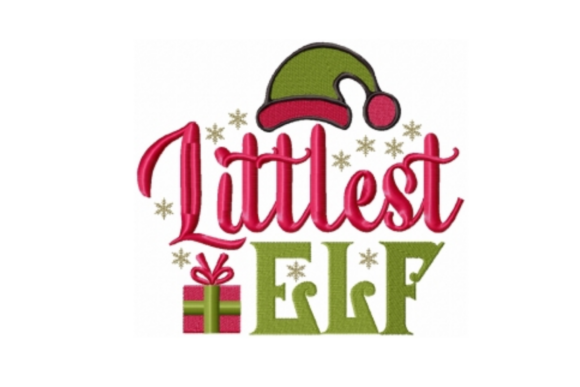
The title "Littlest Elf" sets a specific expectation: something petite, endearing, and likely centered around character. Upon reviewing the preview, the design delivers a joyful energy that fits perfectly within the Christmas category without feeling overly cluttered. For a designer, the layout is crucial. This artwork appears to have a balanced composition that works well for chest placements on hoodies or as a focal point on the back of an oversized garment. The "joyful" descriptor in the product information suggests high-energy lines and expressive features, which are essential for catching a customer's eye in a crowded Etsy listing or Instagram feed.
What stands out initially is the potential for this design to feel both playful and decorative. It avoids the trap of looking like a generic clip-art transfer. Instead, when visualized as a finished product, it carries the tactile warmth of handmade presentation. The digitizing style seems to prioritize clean outlines and solid fills, which is critical when moving from a screen to a thick cotton-blend fleece. If the stitch density is managed correctly, this design can look incredibly premium rather than cheap or mass-produced.
Fabric Pairings and Color Strategy
One of the most exciting parts of my job is imagining how a digital embroidery file translates across different fabric bases. For the Littlest Elf, I envision a few specific scenarios that would maximize its appeal for a boutique brand.
- Neutral Sweatshirts: On heather grey, oatmeal, or cream-colored fleece, this design would pop beautifully. Using traditional red and green thread colors would create a classic holiday vibe, while swapping in gold or metallic threads could elevate it to a luxury seasonal item.
- Dark Fabric Contrast: Placing this on a deep forest green or midnight blue hoodie requires careful attention to thread contrast. The design needs enough light values in the digitizing to ensure the "littlest" details don't get lost in the dark fabric texture. A white or silver underlay might be necessary to make the colors sing.
- Pastel and Oversized Fits: There is a growing trend toward pastel holiday apparel. Imagine this elf on a soft lavender or sage green oversized hoodie. It shifts the mood from rustic to modern feminine, appealing to a younger demographic looking for cozy seasonal apparel that isn't strictly traditional.
The versatility of the design allows it to adapt to various aesthetics, whether you are aiming for a rustic, homey feel or a bold, graphic streetwear look. The key is selecting the right thread palette to match your specific brand identity.
Technical Considerations for Commercial Use
Before committing to a production run, any serious embroidery shop must address the technical realities of the file. While the product description confirms that a PES file is included and the artwork is digitized under a license granted by Creative Fabrica, there are several practical concerns we must evaluate before stitching a single seam.
Stitch Density and Fabric Thickness: Sweatshirts and hoodies are significantly thicker than standard quilting cotton. If the Littlest Elf design has a high stitch density, it risks causing puckering or making the fabric stiff and uncomfortable against the skin. As a designer, I would recommend testing the design on a scrap piece of your actual garment fabric first. You may need to adjust your stabilizer choice; a cut-away stabilizer is almost always superior for stretchy fleece to ensure washing durability over time.
Small-Size Readability: The name implies a smaller scale, but can it be resized? If you plan to use this as a sleeve accent or a pocket detail, you must verify that the fine details remain readable at reduced sizes. Complex facial features or tiny text elements can turn into a blob of thread if the hoop size is too small or the resolution isn't sharp enough. Always check the recommended minimum size provided with the download.
Hoop Placement and Branding: For a boutique brand, placement is everything. A left-chest placement feels professional and understated, while a large back print makes a statement. Ensure your hoop size accommodates the design without requiring excessive re-hooping, which can lead to alignment issues. Remember, the license terms should be reviewed carefully to ensure you are compliant with commercial embroidery usage, especially if you are selling these as physical goods rather than just using them for personal projects.
Elevating Brand Value and Customer Engagement
In the competitive landscape of handmade products and custom apparel, the design you choose directly impacts buyer trust and visual recognition. Using a well-digitized asset like Littlest Elf signals to your customers that you care about quality. A sloppy embroidery job can ruin the reputation of a small shop product, but a crisp, vibrant design enhances the perceived value of the garment.
When creating printable mockups or lifestyle product photography for your online store, this design offers strong visual hooks. The joyful nature of the elf invites engagement; it's the kind of image that stops a scroll on social media. By pairing this digital embroidery file with high-quality garments, you transform a simple sweatshirt into a keepsake item. Customers are not just buying a shirt; they are buying the cozy feeling of the season and the assurance of a handmade product crafted with attention to detail.
Final Verdict for the Holiday Season
The Littlest Elf holds significant promise for decorators looking to expand their Christmas catalog. It strikes a balance between cute and professional, making it suitable for a wide range of apparel decorators and creative entrepreneurs. However, success lies in the execution. Pay close attention to your stabilizer, test your thread colors against your specific fabric choices, and respect the licensing guidelines provided by Creative Fabrica.
If you can master the technical application, this design has the power to become a signature piece in your collection, driving customer engagement and establishing your boutique brand as a go-to source for festive, high-quality custom apparel. Always remember to verify the specific file formats and hoop requirements included in your download to ensure a smooth production workflow.