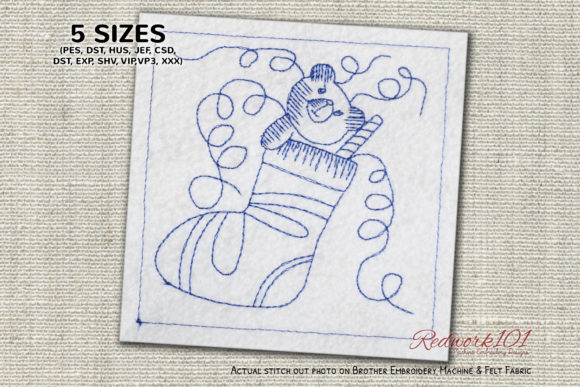
Christmas Stocking and Bear Redwork: A Pro Review
As an embroidery designer who spends most of my days digitizing logos and tweaking files for commercial production, I approach every new machine embroidery design with a critical eye. It is not just about whether a pattern looks cute on a screen; it is about how that digital embroidery file translates into a tangible asset for a small business. Today, I am reviewing the Christmas Stocking and Bear Redwork specifically through the lens of branded merchandise and professional application. This isn't a hobbyist critique; this is an evaluation of how this design performs as a tool for brand identity, customer engagement, and product value.
First Impressions: The Power of Redwork Simplicity
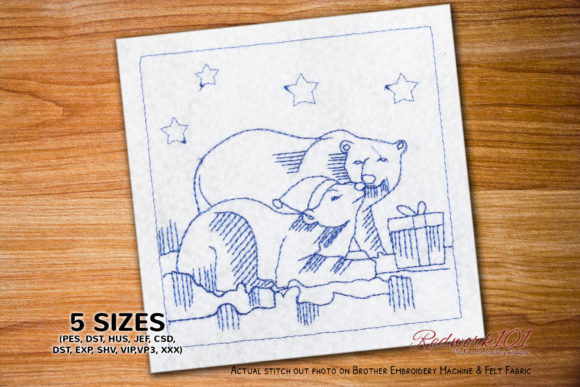
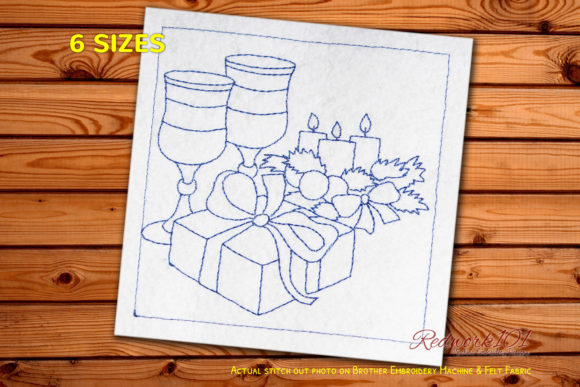
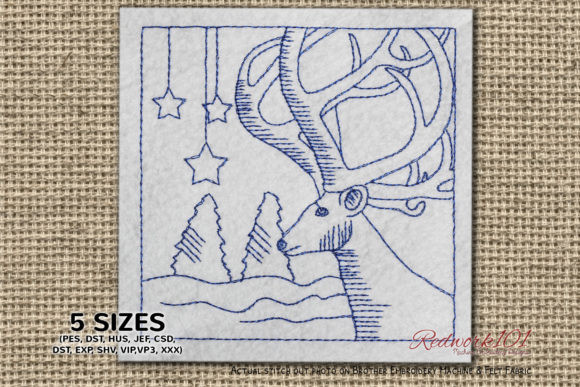
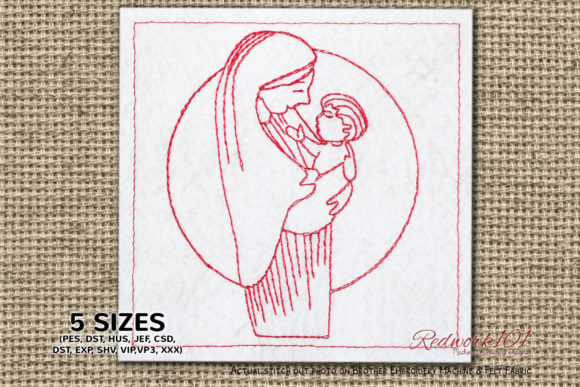
The moment you load the Christmas Stocking and Bear Redwork into your software, the aesthetic is immediately clear. Redwork is a classic technique, historically rooted in utility and simplicity, using a single color of thread—traditionally red—to create outlines and details. In a modern commercial context, this style screams "handmade" and "rustic charm." For a boutique bakery, a local florist, or a pet brand looking to establish a warm, approachable vibe during the holiday season, this design hits the mark perfectly. It feels friendly and nostalgic without being overly ornate.
However, the description notes that "The Box Stitch shown in picture is optional." This is a crucial detail for professional use. In many commercial applications, bounding boxes or registration marks are meant for the hoop and should be skipped in the final stitch-out unless they are part of the artistic frame. As a designer, I appreciate this flexibility. It means the core motif—the stocking and the bear—is versatile enough to stand alone on a curved cap front or be framed within a custom patch border. The visual personality here is elegant yet playful, making it suitable for both high-end gift packaging accents and casual staff uniforms.
Real-World Business Applications
When considering where to deploy the Christmas Stocking and Bear Redwork, the possibilities for small business merch are extensive. Because redwork relies on outline stitching rather than heavy fill saturation, it is exceptionally lightweight. This makes it an ideal candidate for apron embroidery in a café or bakery. Unlike dense satin stitch logos that can feel stiff and heavy on fabric that needs to drape and move, this design allows the natural texture of the linen or cotton apron to shine through while still providing clear brand recognition.
For retail environments, imagine this design applied as an embroidered patch sewn onto tote bags. Tote bags are a staple of custom apparel and eco-friendly branding. The open nature of redwork ensures that the bag remains flexible and the stitching doesn't pucker the fabric, even after repeated washing. Furthermore, this design works beautifully as a sleeve detail on work shirts or as a chest logo accent on holiday-themed uniforms. It serves as a subtle nod to the season without overwhelming the company's primary logo.
Etsy sellers and crafters can also leverage this embroidery file to create limited-edition holiday items. Whether it is adorning a handmade plush toy or serving as the focal point of a decorative pillow, the finished product exudes a premium, artisanal quality. The simplicity of the line work allows the viewer's eye to focus on the craftsmanship, which directly enhances perceived product value.
Technical Considerations for Production
While the aesthetic appeal is strong, a professional review must address the technical realities of production. The description mentions that "The color of outer Box is different color in most of the designs unless it is part of the design itself, you can skip the color." This implies that the file may contain multiple color stops or layers that need management. Before running a production batch, you must inspect the stitch sequence in your embroidery software. Ensure that any non-essential box stitches are deleted or skipped to save time and thread, especially if you are running hundreds of units for a corporate client.
Stitch density is generally lower in redwork designs, which is a benefit, but it also presents challenges. On textured fabrics like heavy wool coats or rough canvas, single-run outlines can sometimes get lost or appear jagged if the needle deflects off the weave. I strongly advise testing this design on the actual fabric you intend to use. If you are working with dark uniforms, ensure your thread choice offers high contrast. A deep crimson might look beautiful on white canvas but could vanish on a navy blue polo shirt. In such cases, consider switching the thread color to a brighter scarlet or even a metallic gold to maintain visibility.
Another critical factor is size. Redwork designs rely on continuous lines. If you scale the Christmas Stocking and Bear Redwork down too small for a tiny hat emblem or a narrow collar tag, the details of the bear's face or the stocking's pattern may merge together. Always create a printable mockup at 100% scale to verify legibility before hooping. Additionally, because there is less stitch coverage to anchor the design, using the correct stabilizer is vital. A cut-away stabilizer is often safer for items that will undergo frequent washing, ensuring the design does not distort over time.
Brand Identity and Customer Trust
In the world of commercial embroidery, consistency is key to building trust. Using a cohesive set of design assets helps customers recognize your brand instantly. The Christmas Stocking and Bear Redwork can serve as a seasonal extension of your brand identity. If your brand voice is warm, community-focused, and traditional, this design reinforces those values effectively. It tells the customer that you pay attention to detail and care about the presentation of your products.
However, be mindful of visual consistency. If your main logo is a sleek, modern sans-serif typeface, a rustic redwork bear might feel disjointed unless intentionally styled as a contrasting holiday element. Use it strategically to evoke emotion and nostalgia, perhaps on gift-with-purchase items or limited-time offers, rather than replacing your primary corporate mark.
Final Designer Notes and Recommendations
Before committing this design to a large run of cap embroidery or tote bags, follow these practical steps:
- Test in Black and White First: Convert the design to a single dark thread color in your simulation to check for clarity and spacing issues without the distraction of color.
- Verify Hoop Size: The prompt does not specify exact dimensions. Check the file properties to confirm the hoop size required and ensure it fits your machine's capabilities, especially for smaller hoops used on caps.
- Review Thread Colors: Confirm if the "optional box" requires a specific thread change or if it can be entirely skipped to streamline the process.
- Check Licensing: Since this is for business use, confirm the commercial licensing terms of the digital embroidery file. Ensure you have the rights to sell items featuring this design or use it for promotional merchandise.
- Fabric Testing: Always stitch a sample on the exact fabric weight and texture you plan to use. Pay close attention to how the lines lay on curved surfaces like cap fronts.
The Christmas Stocking and Bear Redwork is a charming, versatile asset that, when handled with professional care, can elevate your holiday merchandise. It bridges the gap between digital precision and handmade warmth, offering a unique opportunity for small businesses to connect with their audience during the festive season. Just remember: the devil is in the details, so test, adjust, and stitch with confidence.