Christmas Cartoon Deer Redwork: A Designer's Review
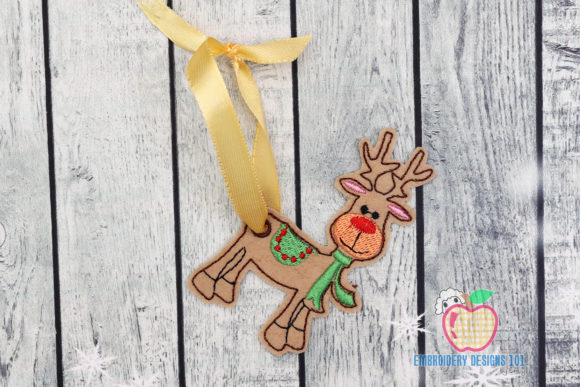
As an embroidery designer who spends countless hours digitizing and testing files for commercial use, I approach every new machine embroidery design with a critical eye. It is not just about whether the image looks cute on a screen; it is about how that digital embroidery file translates into a tangible finished product that elevates a brand. Today, I am reviewing the Christmas Cartoon Deer Redwork, specifically evaluating its potential for small business merchandise, branded patches, and seasonal apparel.
My first impression of this design is one of charming simplicity. The term "Redwork" immediately signals a specific aesthetic: classic, rustic, and undeniably handmade. In an era where consumers are craving authenticity, this style hits the mark perfectly. It feels friendly and playful without sacrificing the clean lines necessary for professional application. For a boutique owner or a cafe manager looking to add a touch of holiday warmth to their staff uniforms or customer gifts, this design offers a visual personality that says "crafted with care" rather than "mass-produced."
Real-World Application for Small Business Merch
The true test of any embroidery file is its versatility in a commercial setting. I envision the Christmas Cartoon Deer Redwork thriving in several specific business scenarios. For a local bakery or florist, this design would make an exceptional apron embroidery accent. Placed on the chest or near the pocket, the single-color outline provides a festive nod to the season without overwhelming the uniform. Because redwork typically utilizes lower stitch counts compared to fill-heavy designs, it remains comfortable for staff wearing these garments for long shifts.
Furthermore, this design is a prime candidate for embroided patch production. Many small businesses are moving away from direct embroidery on heavy coats and toward iron-on or sew-on patches for flexibility. The bold outlines of the cartoon deer would translate beautifully onto a twill or felt backing. Imagine a pet brand releasing a limited-edition holiday collar tag or a tote bag featuring this deer; it instantly creates a cohesive brand identity that customers want to wear. For Etsy sellers and crafters, using this as a focal point on custom apparel like beanies or hoodies can drive significant engagement during the fourth quarter.
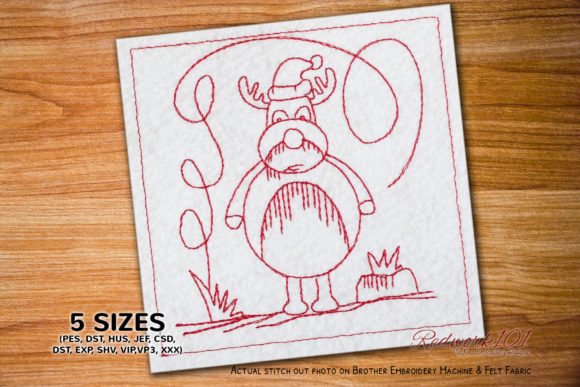
The description notes that "The Box Stitch shown in picture is optional." This is a crucial detail for professional users. In a branding context, consistency is key. If you are applying this to a series of items, you must decide immediately whether to include the border. My advice is to skip the box if you are placing the deer on a curved surface, such as a cap, or if the fabric texture already provides enough definition. However, if you are creating a square embroidered patch, keeping the box can help frame the character and give it a badge-like authority.
Navigating Technical Challenges and Fabric Textures
While the aesthetic is strong, we must discuss where caution is required. Redwork relies entirely on the quality of the running stitch. When scaling this design down for small applications, such as a sleeve detail on a child's shirt or a small logo on a tote bag design, you must be wary of stitch density and spacing. If the lines are too close together, they may merge during washing, turning your crisp cartoon deer into a muddy blob. Always request a test run on the actual fabric you intend to use.
Fabric texture plays a massive role here. On a smooth polo shirt, the lines will remain sharp. However, on a chunky knit sweater or a textured canvas bag, the needle may sink, causing the outline to lose definition. For these materials, I recommend using a cutaway stabilizer rather than tear-away to ensure the design holds its shape over time. Additionally, when working with dark uniforms, remember that redwork is traditionally done in red thread. While striking on white or cream, red thread can get lost on navy or black fabrics unless you opt for a high-contrast thread color like white or gold, effectively changing the "redwork" style but maintaining the design integrity.
Cap embroidery presents another hurdle due to the curvature of the front panel. The "Cartoon Deer" features curves and angles that must be digitized correctly to avoid puckering. If the provided file does not specify a column width or underlay strategy for caps, proceed with caution. It is often safer to mount the design on a flat patch first and then attach that patch to the cap, ensuring the finished product looks professional and lasts through multiple wears.
Enhancing Brand Value and Customer Trust
Why does a design choice matter for your bottom line? Because every stitch contributes to brand identity. Using a generic, clip-art style image can cheapen a brand's perception. Conversely, a well-executed, character-driven design like the Christmas Cartoon Deer Redwork suggests attention to detail. It tells the customer that the business values quality and tradition. This builds trust. When a customer receives a reusable shopping bag or a high-quality apron with this emblem, they perceive higher value in the handmade product associated with it.
Visual consistency is vital for recognition. If you use this deer across your social media printable mockup assets, your packaging, and your staff attire, it becomes a recognizable symbol of your holiday collection. It encourages buyer engagement, as customers are more likely to share photos of unique, well-branded merchandise on social media. This organic marketing is invaluable for small businesses competing against big-box retailers.
Essential Designer Notes for Production
Before you commit to a large production run, follow these practical steps to ensure success:
- Test in Monochrome First: Even though it is called "Redwork," view the design in black and white on your screen. This helps you identify any gaps in the line work or areas where the spacing is too tight.
- Verify Sizing Limits: Check the minimum size recommendation. If you plan to use this as a tiny label, ensure the details of the deer's face do not disappear.
- Review Thread Contrast: Ensure your chosen thread color pops against the garment. Do not assume red works on everything; consider metallic gold or bright white for dark backgrounds.
- Confirm Hoop Size: Verify that the design fits within your machine's hoop, especially if you are working with smaller hoops for cuffs or pockets.
- Select the Right Stabilizer: Match your stabilizer to the fabric weight. Heavy fabrics need less support, while stretchy knits require robust stabilization to prevent distortion.
- Create Client Mockups: Before stitching, create a digital printable mockup to show clients exactly how the design will look on their specific item.
- Check Commercial Licensing: Most importantly, confirm the license terms. The description mentions skipping colors, but ensure you have the right to use this design asset for commercial embroidery projects and resale.
In conclusion, the Christmas Cartoon Deer Redwork is a versatile and emotionally resonant choice for holiday merchandising. It bridges the gap between festive fun and professional presentation. By understanding its technical requirements regarding thread colors, hoop size, and fabric compatibility, you can leverage this design to create memorable branded items that resonate with your audience. Whether it ends up on a barista's apron or a limited-edition tote, this design has the potential to become a cherished part of your seasonal brand story.